
GMO vs. Non-GMO Foods: How Modern Consumers Make Food Decisions
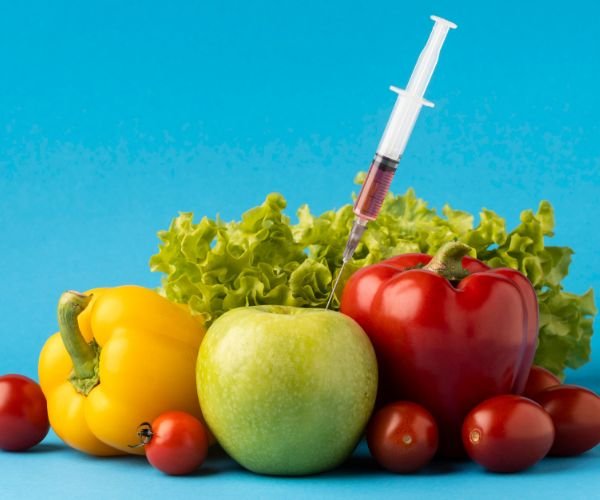
Food choices today are more thoughtful than they were in the past. For many people, eating is no longer just about flavor or price. Shoppers now want to understand how food is grown, how it reaches their plate, and how it may affect their health over time.
Because of this growing awareness, genetically modified foods have become a common topic in everyday discussions. Some consumers intentionally choose Non-GMO products, while others are comfortable purchasing foods made with modern agricultural methods. Learning the difference helps people make confident and informed decisions.
What Are GMO Foods?
GMO foods come from crops that have been scientifically modified to develop specific traits. These changes are designed to improve crop performance, such as increasing resistance to pests, improving tolerance to extreme weather, or boosting overall yield.
Ingredients from genetically modified crops are widely used in packaged foods, cooking oils, and animal feed. From a farming perspective, GMO crops can reduce losses and increase efficiency. From a consumer perspective, these foods are often more affordable and widely available.
What Does Non-GMO Mean?
Non-GMO foods are produced without genetic engineering. Instead, farmers rely on traditional agricultural methods, including selective breeding and natural pollination, to improve crop quality over time.
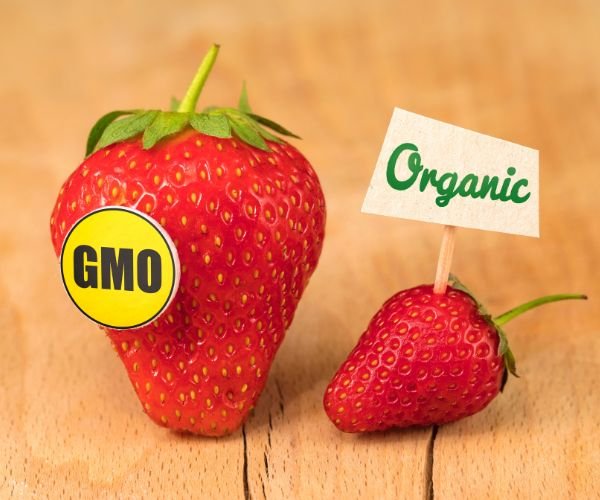
Many people choose Non-GMO foods because they associate them with traditional farming practices. While Non-GMO products are not always organic, they do indicate that the food has not been altered through laboratory-based genetic modification.
Key Differences Between GMO and Non-GMO Foods
The main difference between GMO and Non-GMO foods lies in how crops are developed. GMO crops are created using scientific techniques, while Non-GMO crops are grown using natural agricultural processes.
For most consumers, the decision is not based on scientific detail alone. Personal values, lifestyle preferences, budget, and trust in food systems often play a much larger role.
Health and Safety Considerations
Food safety authorities in many countries have approved GMO foods for consumption. However, some consumers remain cautious and prefer to limit genetically modified ingredients in their diet.
Non-GMO foods are often chosen by individuals who want fewer technological changes in their food. While research continues, personal comfort and peace of mind strongly influence food choices.
Environmental Impact
GMO farming can support large-scale food production and help reduce crop damage. At the same time, concerns exist about long-term environmental effects, including reduced crop diversity.
Non-GMO farming often supports biodiversity and soil health but may require more resources. In both systems, responsible farming practices are essential for environmental sustainability.
Economic and Ethical Factors
Many GMO seeds are patented, meaning farmers must purchase new seeds each growing season. This can increase costs for small-scale farmers.
Non-GMO farming allows farmers to save seeds and continue traditional agricultural practices. Ethical beliefs also influence consumer decisions, especially for those who value natural food production.
The Role of Food Labels
Clear food labeling helps consumers make informed decisions. When people understand what they are buying, trust increases.
Non-GMO labels allow shoppers to quickly identify products that match their preferences. Transparency in labeling supports consumer confidence and choice.
The Future of Food Choices
As global food demand grows, both GMO and Non-GMO farming methods will continue to evolve. The future of food production will likely involve balancing innovation, sustainability, and consumer values.
Educated consumers play an important role by supporting transparency and responsible agricultural practices.
Conclusion
Choosing between GMO and Non-GMO foods is not about finding a single correct answer. It is about understanding how food is produced and selecting what aligns best with personal values, health goals, and lifestyle.
When people have access to clear information and honest labeling, they can confidently decide what belongs on their plate.